
Shift to Healthier Eating
Making small changes can make a big difference.
Healthy eating is one of the best ways to prevent health problems. Eating well, along with getting enough physical activity, can help you lower your risk of health issues like heart disease, diabetes, obesity, and more. To reach your goals, experts advise making small, gradual, realistic changes. Together, let’s shift to healthier eating.
The best diet to follow is one that is science based, that allows you to meet your nutritional requirements, and that you can stick to long-term.
Limit Added Sugars
Added sugar is the extra sugar added to foods and drinks during preparation. Corn syrup, high-fructose corn syrup, brown sugar, and honey are examples of sweeteners added to foods and drinks, especially regular sodas.
Studies have shown that consuming too much high-fructose corn syrup increases the risk of weight gain and heart disease.
The Dietary Guidelines for Americans suggest a daily limit on added sugar of no more than 10% of calories. That’s about the amount in 16 ounces of regular soda (190 calories).
Anybody can improve their diet by substituting fruits and vegetables for sugar as their snacks, as part of their dessert, and as part of their meals.
Consider Your Fats
Fat is high in calories. Getting too many calories can contribute to obesity, which elevates the risk for heart disease and other health problems. But there are different kinds of fats.
Fats that are liquid at room temperature, or oils, are generally healthier than those that are solid. Solid fats are found in high amounts in beef, chicken, pork, cheese, butter, and whole milk. Liquid oils—such as canola, corn, olive, or peanut oil—have mostly unsaturated or polyunsaturated fats.
Check Labels for Salt
Experts advise you to limit salt, which tends to be very high in processed foods. If you eat salty foods you can quickly go over the daily limit of one teaspoon of salt. Examples of salty, highly processed foods are bacon, frozen pizzas, and salad dressings.
Along with a lot of added salt, processed foods might have preservatives, sweeteners, and other substances added during preparation.

Make a Meal Plan
Planning is the key to success. Figuring out what to eat is less than half the battle. Sticking to a plan is the bigger challenge. That is why prepping and planning will help you reach your goals.
The DASH eating plan is a good place to start. DASH was developed to help people lower blood pressure without medicine, but it’s for anyone. Studies have shown that it reduces the risk of many diseases.
The DASH diet is very realistic and flexible because it can easily be followed without going to a specialty grocery store and the foods are available in every region of the United States.
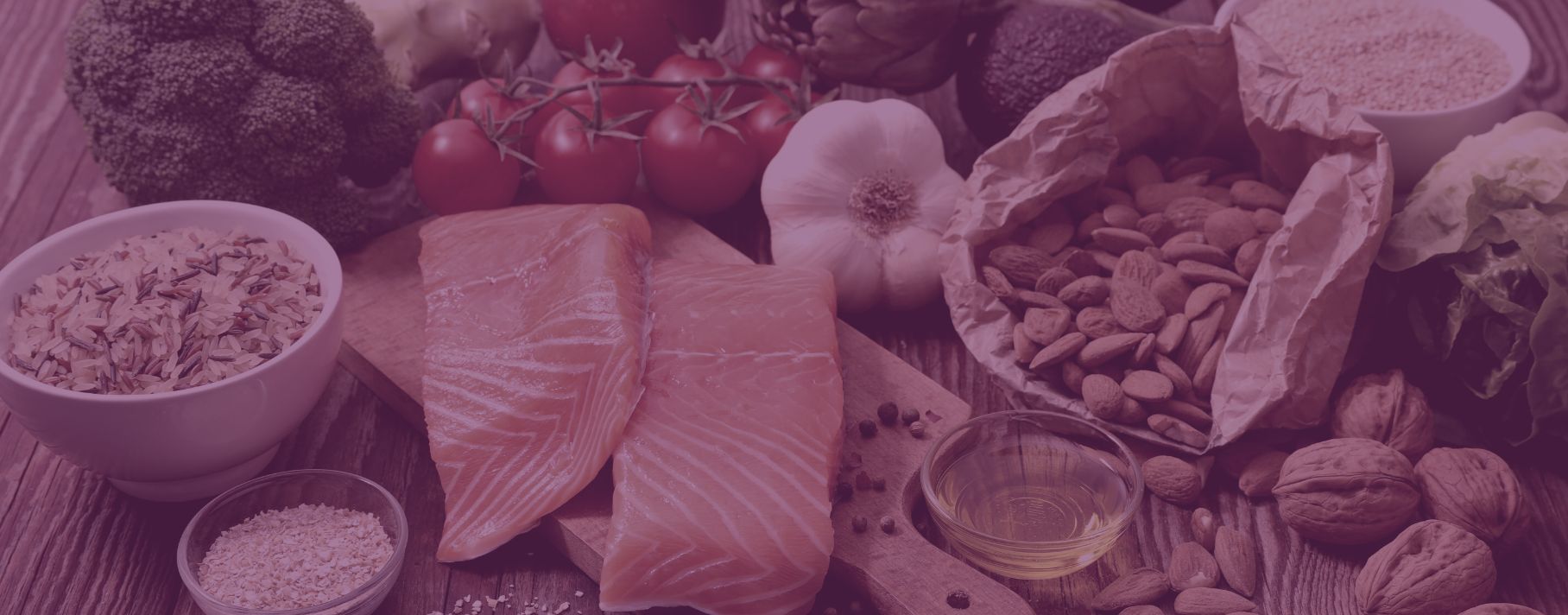
The DASH eating plan is rich in fruits, vegetables, whole grains, beans, seeds, nuts, and fish. Compared to the typical American diet, it’s lower in salt, added sugars, fats, and red meat. It’s also higher in fiber, potassium, magnesium, and calcium than the typical American diet.
These guidelines are designed to help people avoid developing obesity, diabetes, and heart disease. But everyone is different. You may have needs and risks that aren’t like the average American. Talk to your health care provider about your unique nutritional needs. Call 970-774-6123 to schedule a time to meet with our Registered Dietitian, Haley Edwards, to set up an individualized plan that will meet your needs and help you shift to healthier eating.